Drawbridge Design System
Summary
I led the creation of Drawbridge, Moat's design system, establishing a shared visual language, reusable components, and accessibility standards during a period of rapid company growth.
Client: Moat Analytics (Oracle)
Role: Design Strategy, Visual Design
Timeline: 2018
Opportunity
I joined Moat during a period of explosive growth, when the product development team was struggling to keep pace with an expanding and increasingly diverse user base. Many existing features had been built quickly, without much regard for consistency or usability. We needed a blueprint to drive coherence and efficiency across our growing suite of products.
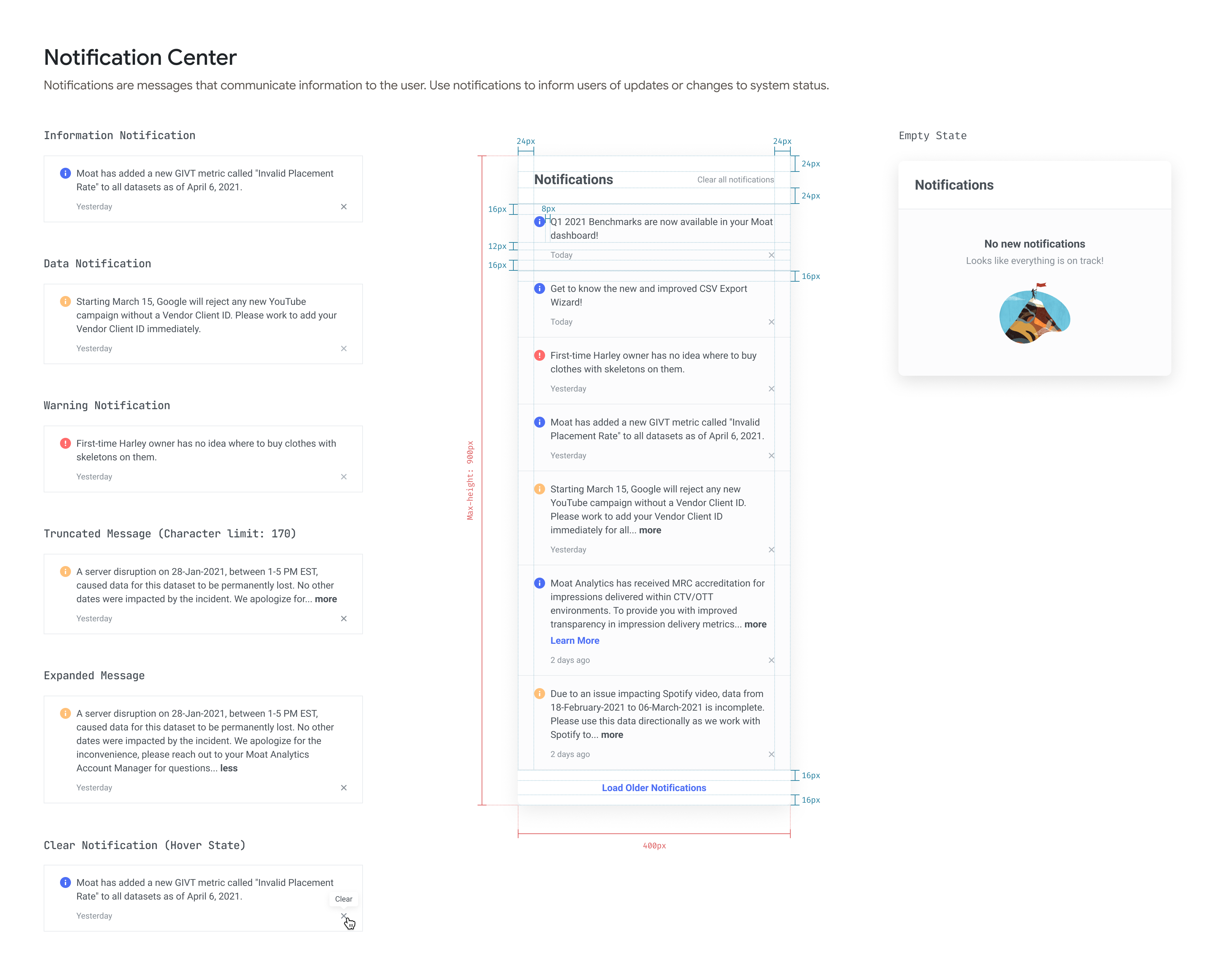
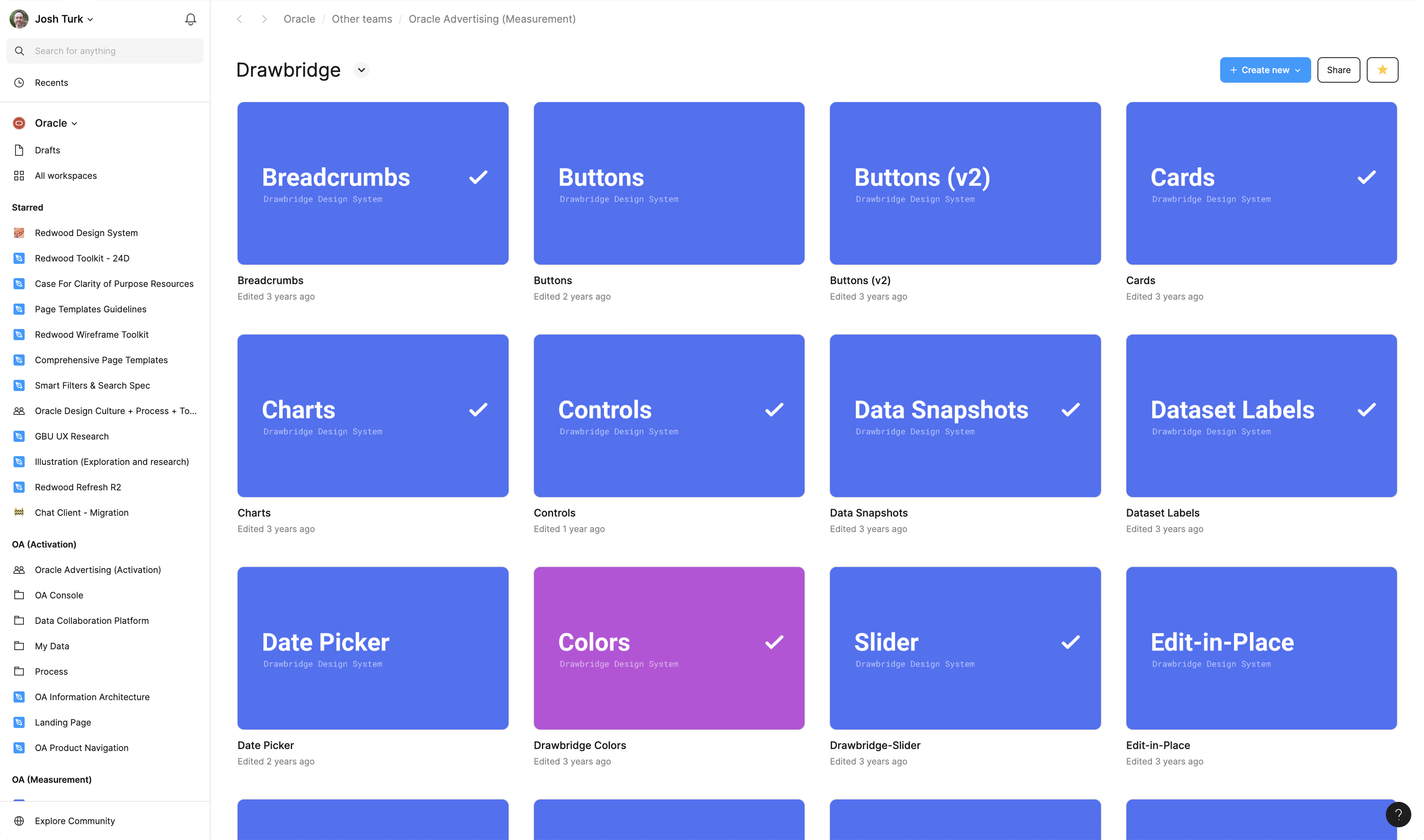
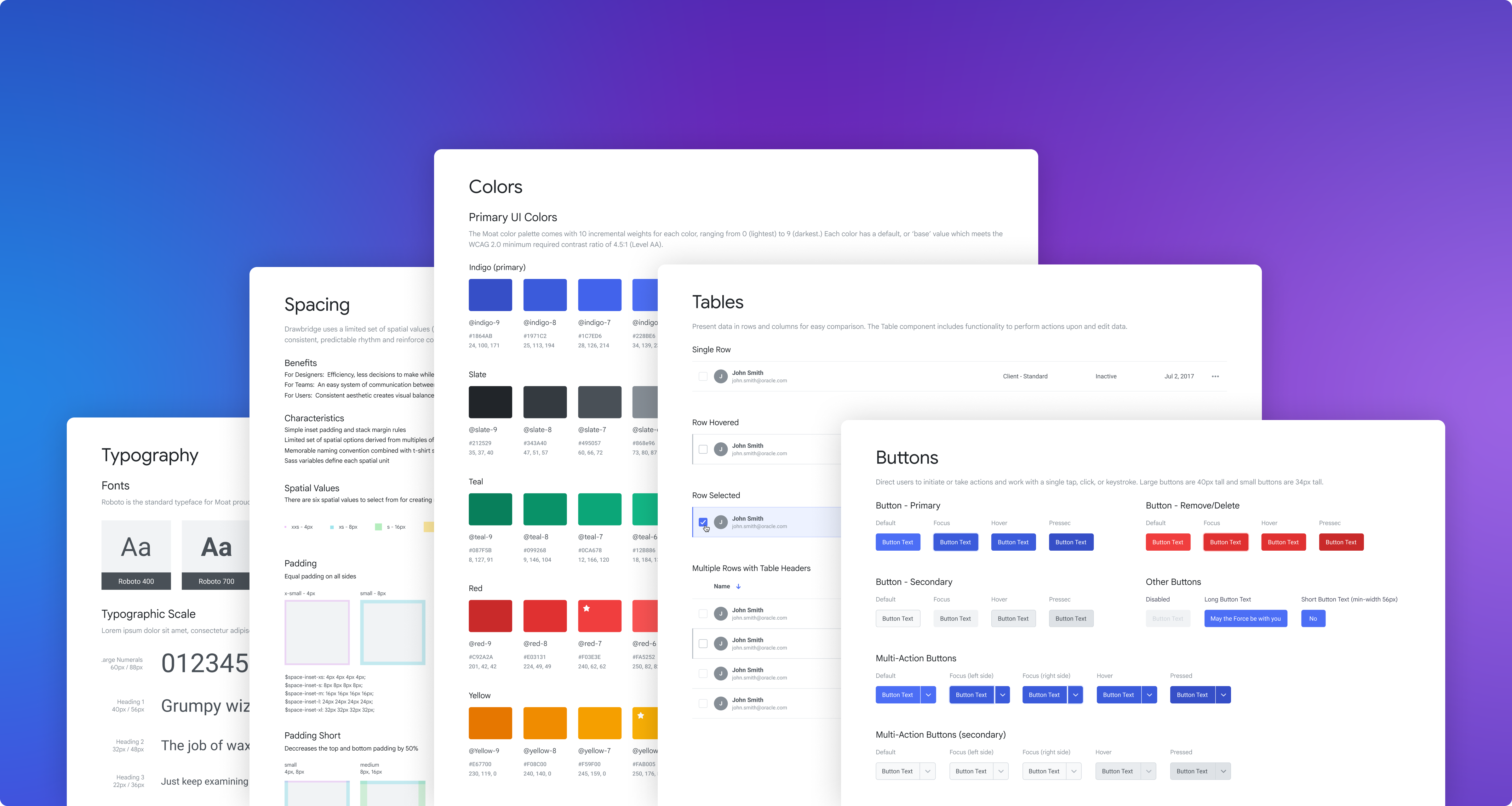
Working with design and engineering partners, I led the development of a comprehensive visual language for Moat, including a library of reusable components, patterns, guidelines, and best practices. The system improved product consistency, usability, and user trust, while reducing development time for engineers.
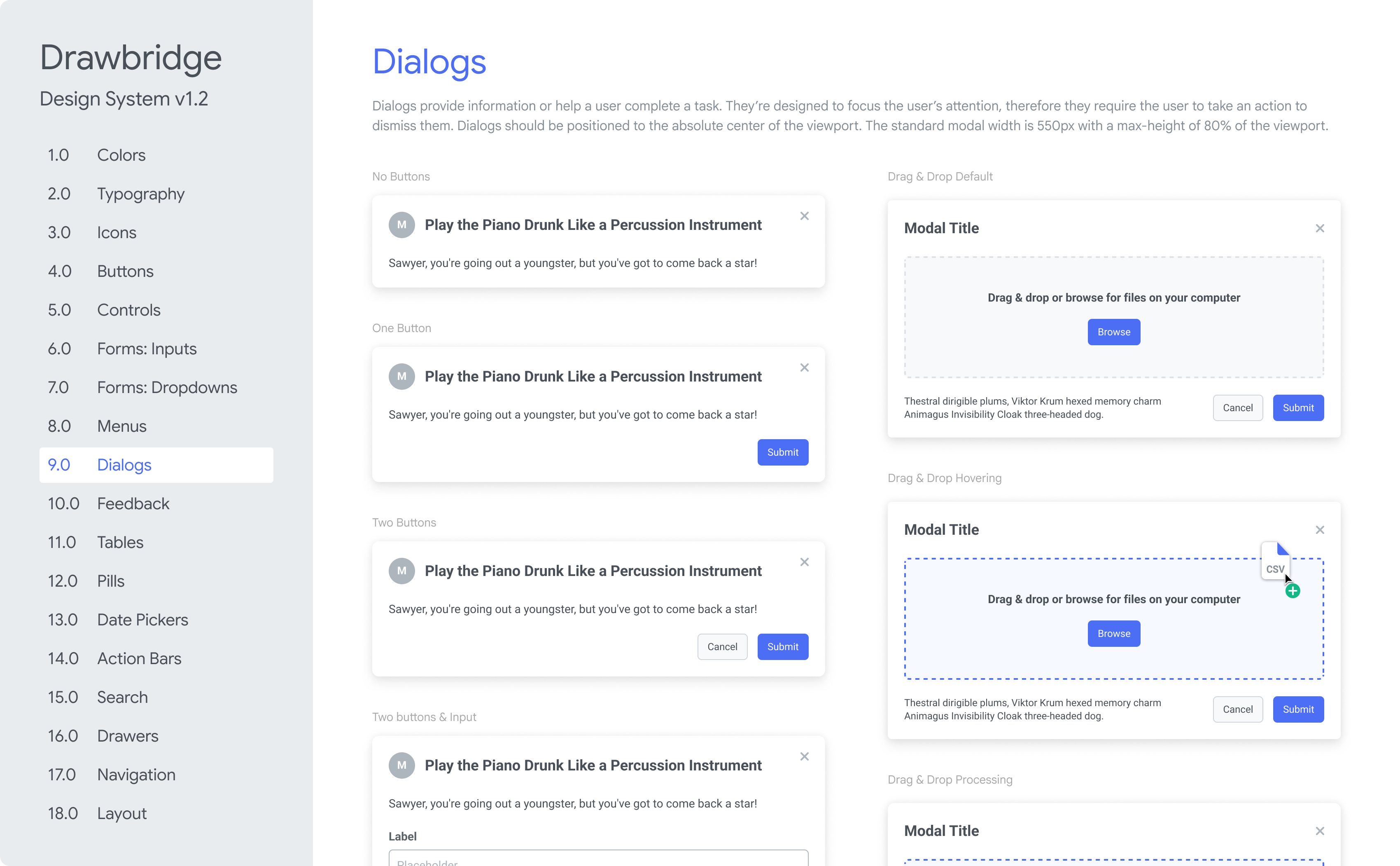
Laying the Groundwork
To kick things off, we hosted workshops with Product and Engineering to align on the purpose, value, and long-term investment required to build and sustain a design system. Together, we established four objectives:
- Improve visual consistency
- Reduce pattern redundancy
- Strengthen cross-functional communication
- Accelerate development and time to market
We audited our existing product UIs to identify opportunities to standardize design patterns, branding, and naming conventions, making the experience more consistent and predictable for users.
To inform our approach, we studied several successful enterprise design systems, which helped us define best practices and determine the right level of complexity for our own.
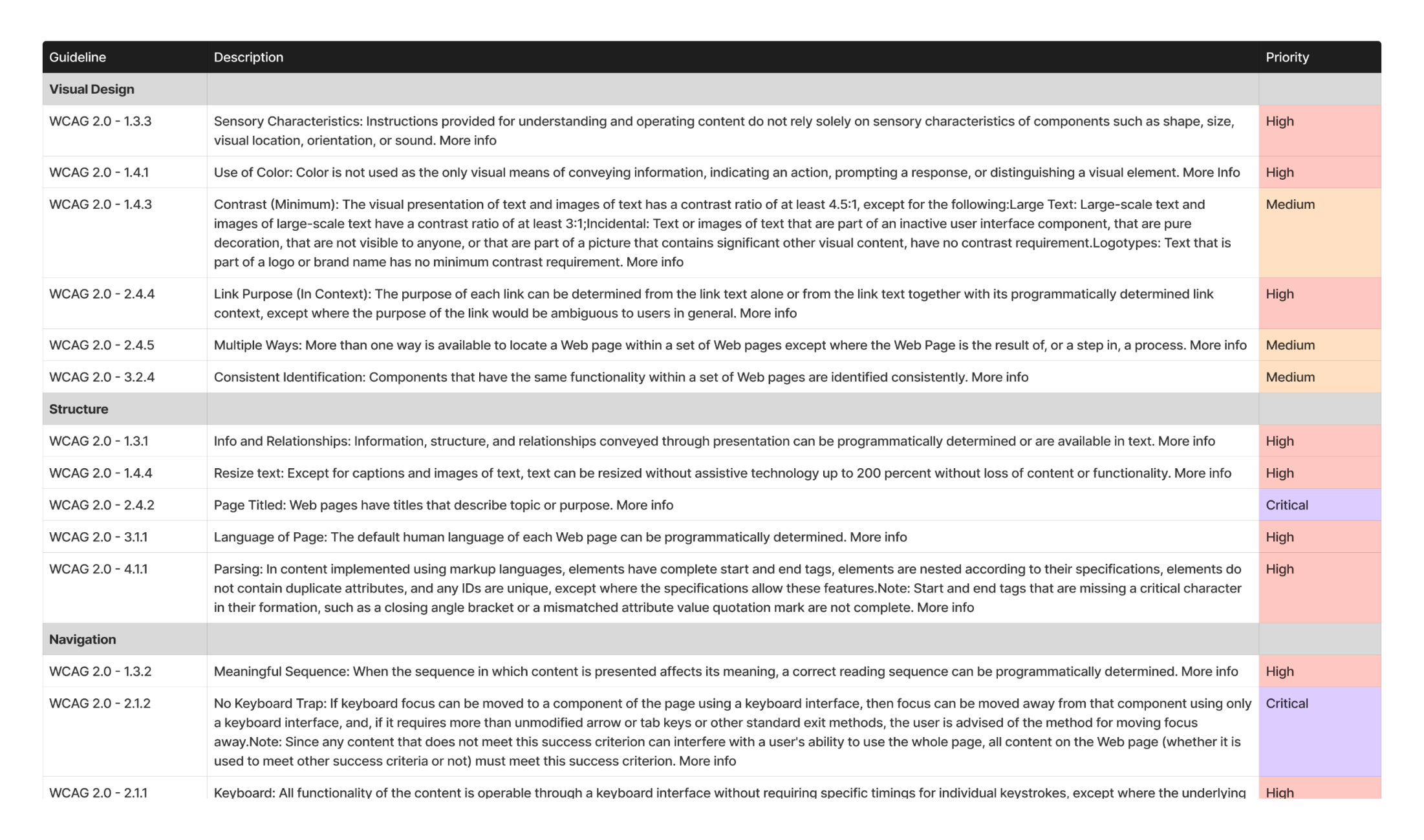
Accessibility was a core priority for the team. We partnered with Oracle's corporate accessibility team to ensure our components and the products they powered met WCAG 2.0 standards.
Outcome
Over its lifespan, Drawbridge powered four customer-facing products and our internal ops tools. With a small team and limited resources, it was very much a collective effort, and I'm grateful to every designer and engineer who helped shape it.
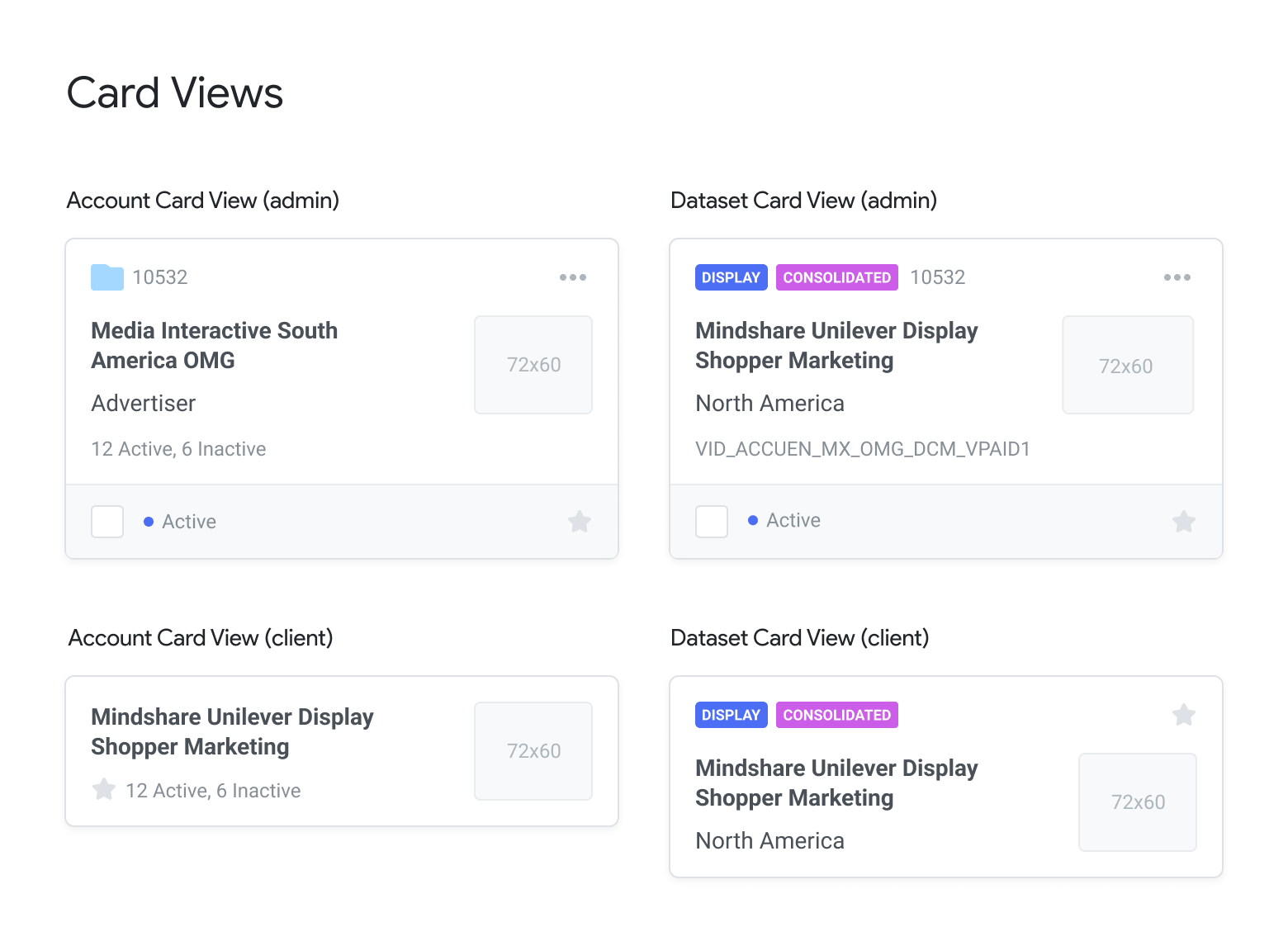
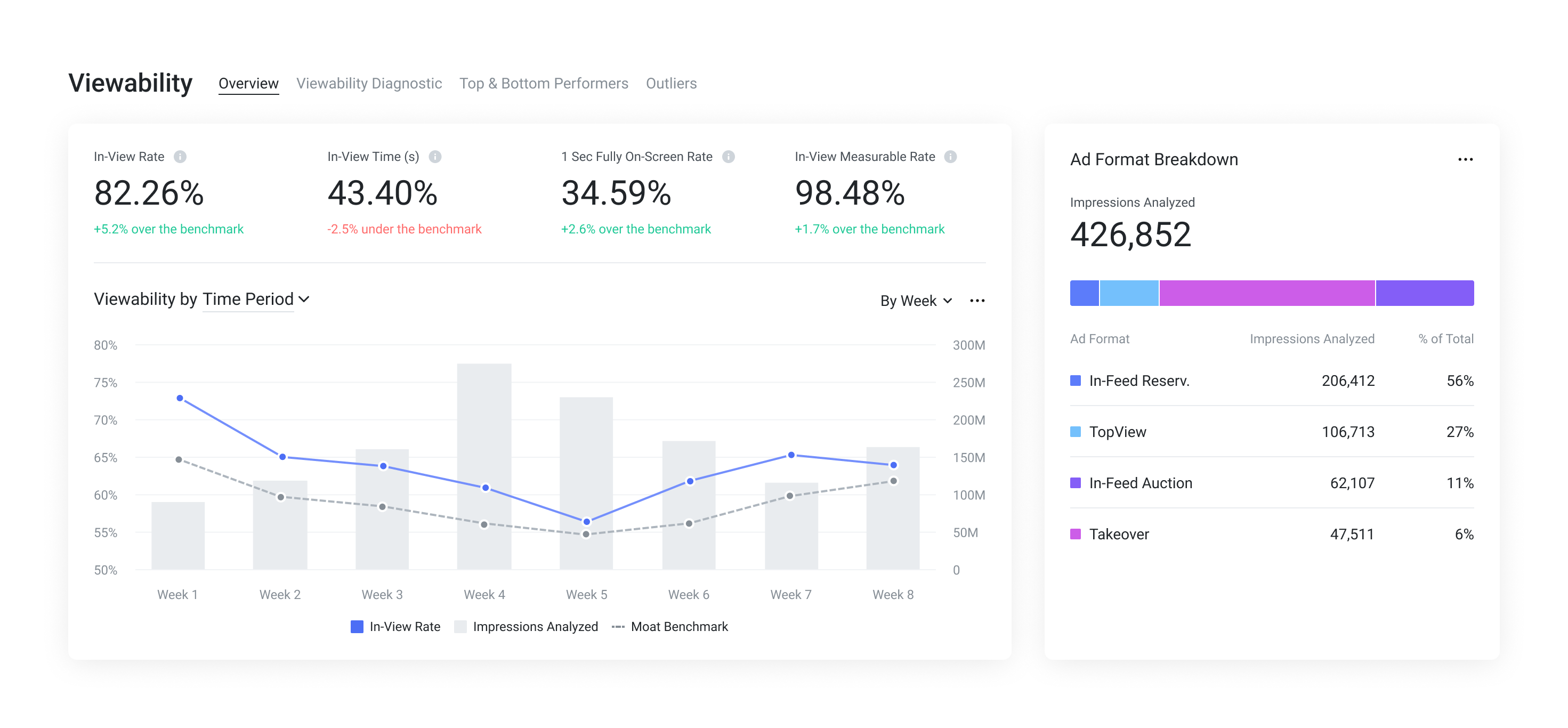
Takeaways
The approach to building and maintaining design systems has evolved considerably since this project. Looking back, there are two foundational things I would prioritize from the start:
- Plan for scalability from day one. Building a design system for rapidly evolving products is inherently difficult. I would have invested earlier in defining a scalable architecture to better support long-term growth.
- Establish clear design principles early. A well-defined set of guiding principles would have strengthened team alignment, improved decision-making, and ensured greater consistency as the system matured.